


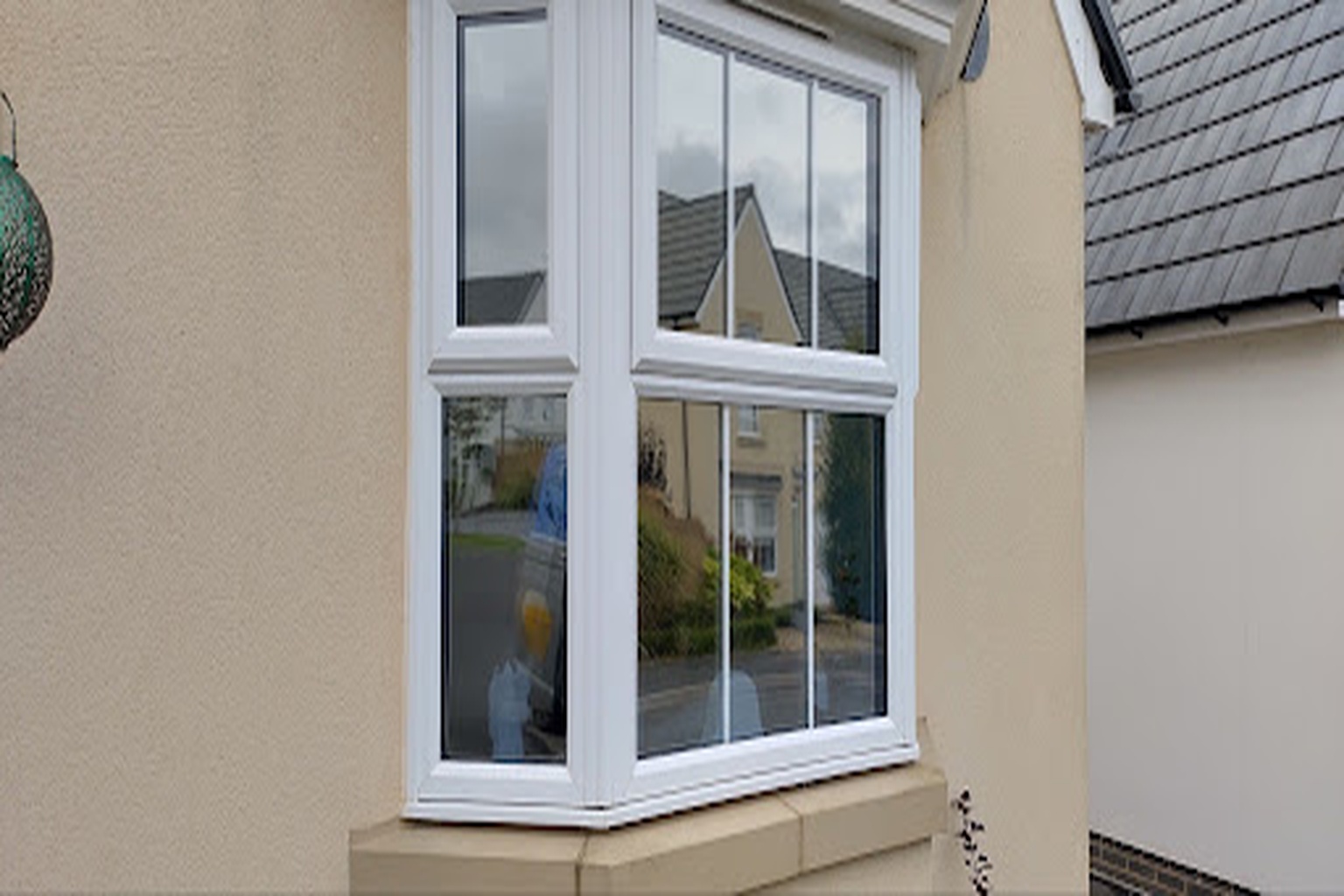
Is Residential Window Tinting Worth It? Benefits, Drawbacks and Costs
Yes, residential window tinting is usually worth it for UK homes that overheat in summer, suffer from glare, or sit close to a street or neighbouring property. Expect to pay roughly £60 to £170 per square metre professionally installed, with most windows costing £200 to £400 each. The main caveats are reduced winter solar gain, the small risk of thermal stress on some double-glazed units, and the fact that film alone won’t transform your energy bills.
What Is Residential Window Tinting?
Residential window tinting is the application of a thin, multi-layered polyester film to the glass of your home’s windows – usually on the inside face. Depending on the film you choose, it can reflect solar heat, block ultraviolet (UV) light, cut glare, add daytime privacy or hold shattered glass together.
If you’ve only ever heard of tinting in the context of cars, the principle is identical; the films are simply engineered for flat glass and for the way British homes are built, with double glazing rather than single automotive panes. A professional installer will survey your glass first, because not every film suits every glazing unit – more on that shortly.
The Benefits of Residential Window Tinting
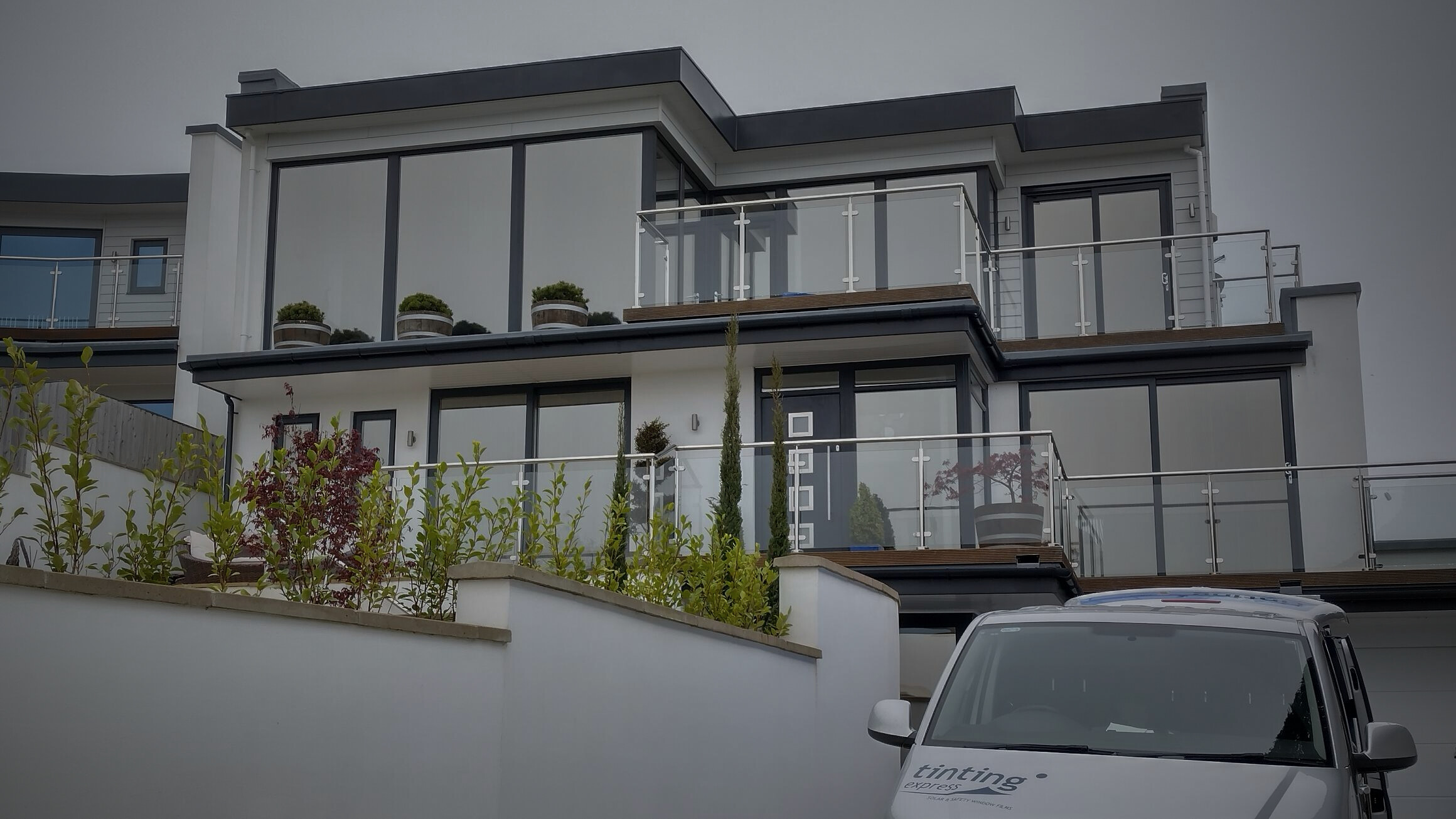
- A cooler home in summer. South- and west-facing rooms in the UK can become stifling by mid-afternoon, and very few of us have air conditioning to fall back on. Solar control film reflects a significant share of the sun’s heat before it enters the room, taking the edge off heatwaves without blocking your view.
- Less glare, same daylight. If you work from home, you’ll know the misery of a screen you can’t read after lunch. Tinting cuts glare dramatically while still letting natural light in – a far better compromise than keeping the blinds shut all day.
- UV protection for furnishings. Quality films block up to 99% of UV rays, the main culprit behind faded sofas, curtains, artwork and wooden floors.
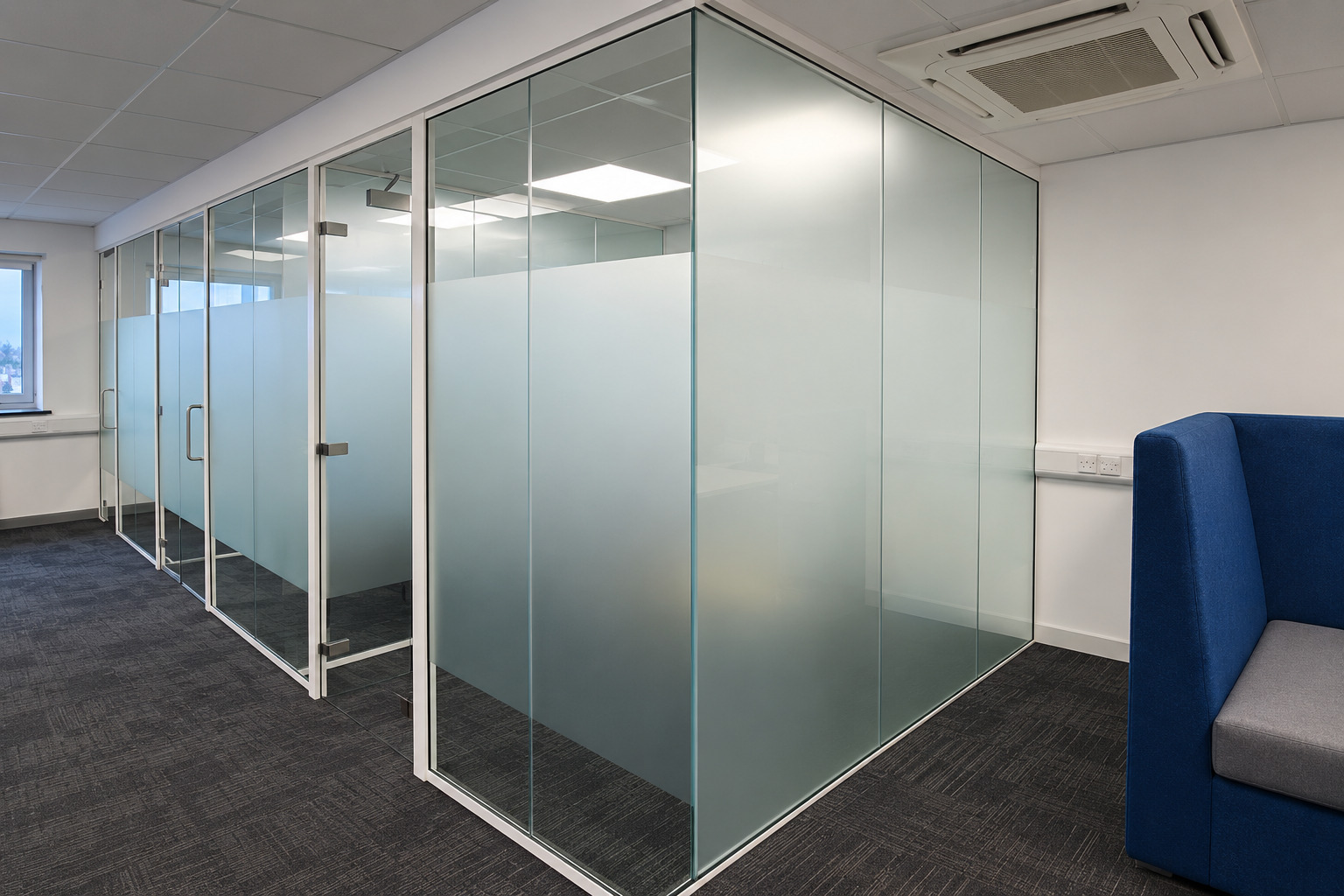
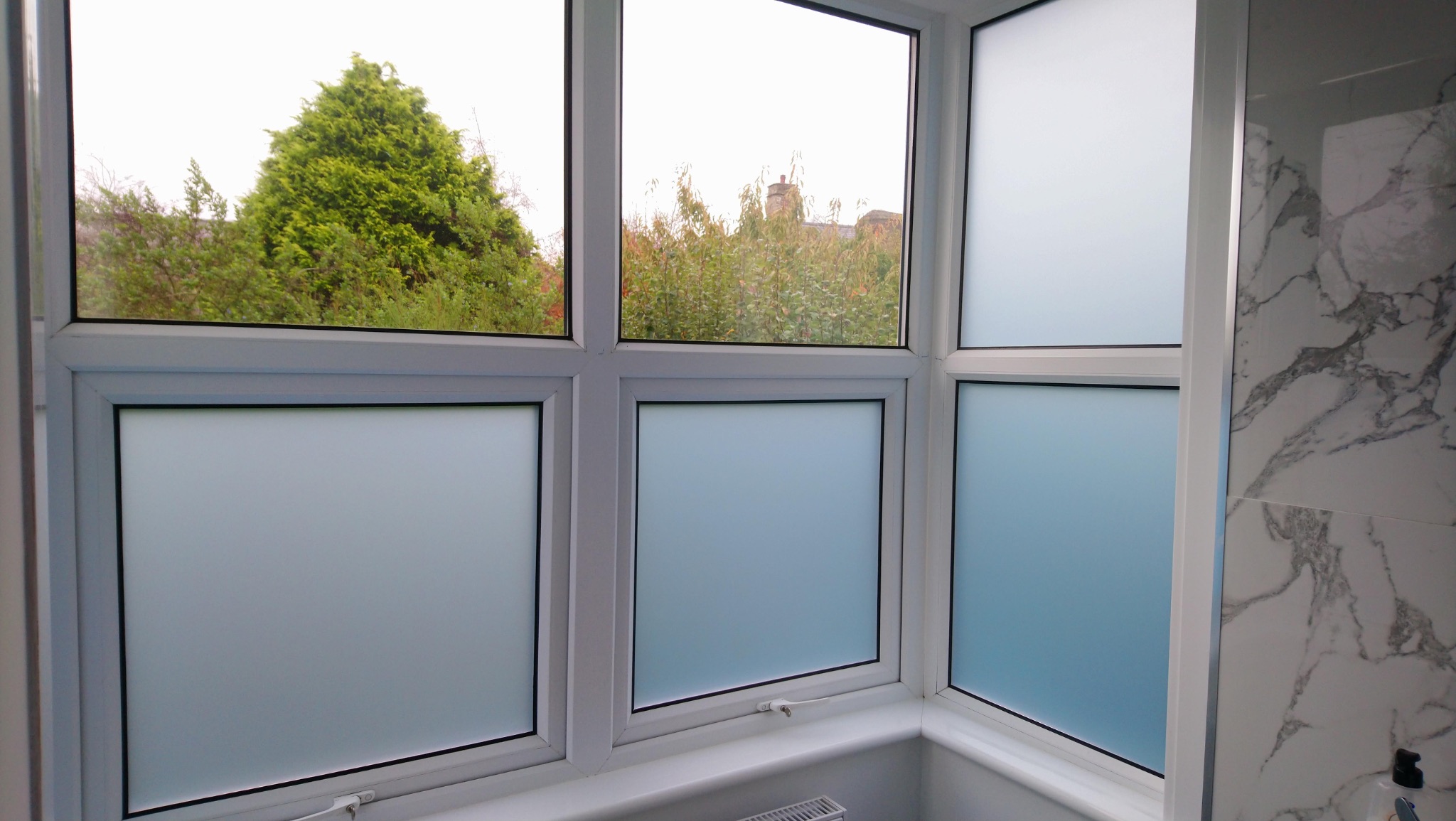
- Daytime privacy. Reflective and frosted films stop passers-by seeing in during daylight hours – valuable for ground-floor rooms on busy streets or homes that are overlooked.
- Safety and security. Thicker safety films hold glass fragments together if a pane breaks, whether through an accident or an attempted break-in.
- Cheaper than replacing glazing. Film upgrades the windows you already own. Compared with fitting new solar-control glass, it’s a fraction of the cost and far less disruptiv.
The Drawbacks You Should Weigh Up
Thermal stress on double glazing. A film changes how glass absorbs heat, and on some sealed double-glazed units this uneven expansion can, in rare cases, crack a pane. Reputable installers assess your glazing first and specify films designed for double glazing – another reason to think twice about a bargain DIY kit.
Reduced winter solar gain. The same film that keeps July heat out will also reject some of the free warmth your windows harvest on a sunny January day. In a heating-dominated climate like Britain’s, that’s a genuine trade-off to consider for north-facing or shaded homes.
Night-time privacy is limited. Reflective films work by bouncing daylight; once your lights are on after dark, the effect reverses. You’ll still want curtains or blinds in the evening.
Possible warranty implications. Applying film to glazing can affect the manufacturer’s guarantee on newer windows, so check your paperwork before booking an installer.
It’s semi-permanent. Quality film lasts 10 to 20 years, but removing it cleanly is a job in itself – choose your shade and finish carefully the first time.
How Much Does Residential Window Tinting Cost in the UK?
Professionally installed residential window tinting typically costs £60 to £170 per square metre in the UK, which works out at £200 to £400 per window depending on size, with around £300 being the national average, according to MyBuilder’s 2026 price guide.
Film type | Typical cost (per m², fitted) |
Solar control film | £60 – £90 |
Decorative / frosted film | £70 – £100 |
Safety and security film | £90 – £150 |
DIY kit (film and tools only) | £20 – £100 total |
Labour, where charged separately, runs at roughly £50 to £100 per hour. DIY kits look tempting, but creased film, trapped bubbles and the thermal-stress risk mentioned above mean professional fitting is usually money well spent on anything other than a small frosted bathroom pane.
So, Is It Worth It? Our Verdict
For most UK households, residential window tinting earns its keep when at least one of these applies:
- Rooms that overheat every summer, especially south- or west-facing glazing and conservatories
- Glare that makes screens or televisions hard to use during the day
- Ground-floor or overlooked windows where daytime privacy matters
- Furnishings, artwork or flooring you’d rather not watch fade
It’s harder to justify if your main goal is cutting heating bills – film helps at the margins, but insulation and draught-proofing deliver far more – or if your home is north-facing, shaded and relies on winter solar gain. And if your double glazing is still under guarantee, get written confirmation that film won’t void it before anyone touches the glass.
Frequently Asked Questions
How long does residential window tinting last?
Professionally installed film typically lasts 10 to 20 years on interior surfaces. Look for an installer offering a manufacturer-backed warranty of at least five years.
Is window tinting legal on UK homes?
Yes. Unlike vehicle tinting, there are no legal restrictions on tinting the windows of your own home. Listed buildings and some conservation areas may have appearance-related conditions, so check with your local authority if that applies.
Can you tint double-glazed windows?
Yes, but the film must be matched to the glazing. Films unsuited to sealed units can cause thermal stress and, rarely, cracked glass — a professional survey beforehand avoids this.
Does window film stop people seeing in at night?
No. Reflective privacy film works in daylight only; once interior lights are brighter than outside, the effect reverses. Pair it with blinds or curtains for evenings.
Will tinting reduce my energy bills?
It can trim summer cooling costs and reduce fan or portable air-con use, and low-emissivity films add modest winter insulation. Treat it as a comfort upgrade with energy benefits, not a replacement for insulation.


Leave a comment