


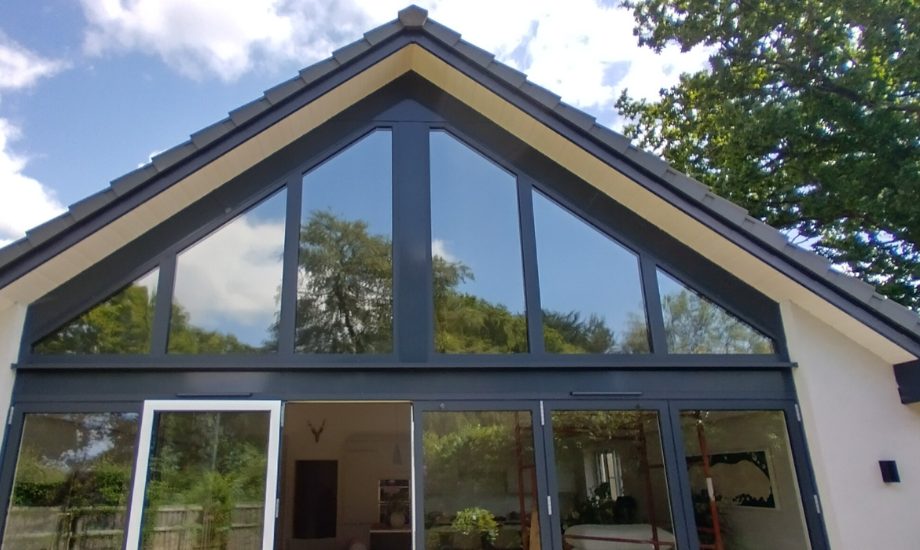
What are the Benefits of Residential Window Tinting?
Homeowners today are increasingly looking for smart ways to enhance comfort, privacy, and energy efficiency. One solution that has gained significant popularity is window tinting. Understanding the benefits of residential window tinting can help you make an informed decision for your property.
From reducing glare to improving insulation, tinted windows offer both practical and aesthetic advantages. Whether you live in a busy neighbourhood or simply want to protect your interiors, investing in high-quality residential window films can transform your living space. In this guide, we’ll explore what window tinting is and highlight the key benefits it brings to modern homes.
What is Residential Window Tinting?
Residential window tinting involves applying a thin laminate film to the interior or external surface of home windows. These residential window films are designed to improve window performance by controlling sunlight, heat, and UV exposure. Available in various shades and finishes, they can be customised to suit different needs, such as glare reduction, enhanced privacy, creating a comfortable space or decorative appeal.
Unlike traditional curtains or blinds, tinted windows for a house offer a more permanent and low-maintenance solution. They work by filtering sunlight, reducing heat transfer, and blocking harmful ultraviolet rays. This makes them an excellent choice for homeowners asking, “Is it a good idea to tint your windows?”—the answer is often yes, especially when long-term comfort and efficiency are priorities.
What are the Benefits of Residential Window Tinting
1. Enhanced Energy Efficiency
One of the most notable benefits of residential window tinting is improved energy efficiency. Window films reduce heat gain during summer and can sometimes help retain warmth in winter, lowering your reliance on heating and cooling systems. This can lead to noticeable savings on energy bills.
2. UV Protection for Interiors
A key advantage of residential window films is their ability to block up to 99% of harmful UV rays. This protects furniture, flooring, and artwork from fading, extending their lifespan and preserving your home’s interior aesthetics.
3. Improved Privacy
For homeowners seeking discretion, privacy tint for house windows is an ideal solution. It allows you to enjoy natural light while preventing outsiders from looking in, especially during the day. This is particularly useful for homes in urban or high-traffic areas.
4. Reduced Glare
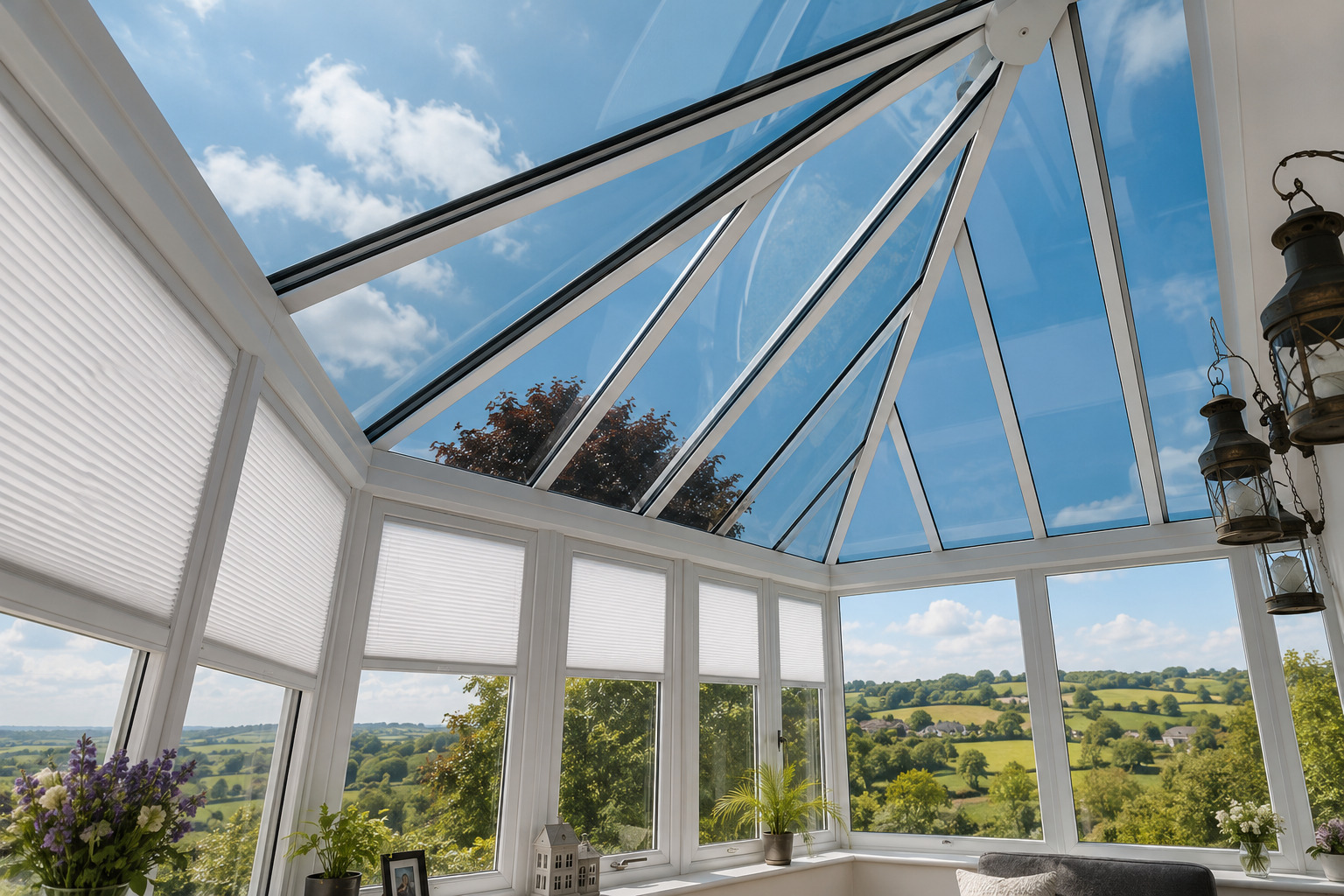
Glare from sunlight can make it difficult to watch television, work on a computer, or relax comfortably. Tinted windows in a house significantly reduce glare, creating a more pleasant indoor environment without the need for heavy curtains.
5. Increased Comfort
By regulating indoor temperatures and minimising hot spots, window tinting ensures consistent comfort throughout your home. This is one of the practical answers to “What are the benefits of tinted windows in homes?” They make living spaces more enjoyable year-round.
6. Enhanced Security and Safety
Certain types of residential window films add an extra layer of protection by holding shattered glass together in case of breakage. This can deter intruders and reduce the risk of injury from broken glass during accidents or extreme weather.
7. Improved Aesthetic Appeal
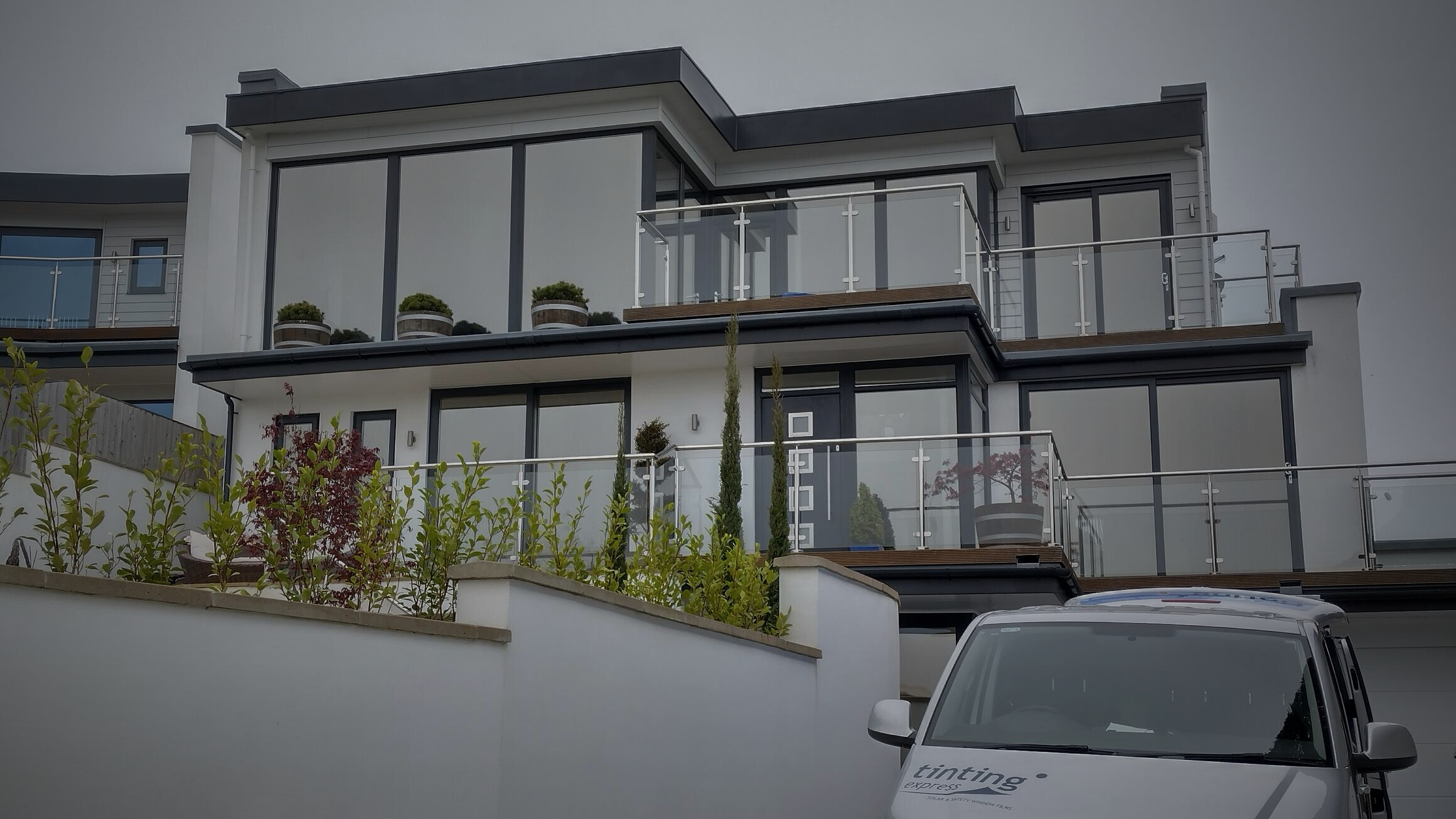
Tinted windows can give your home a sleek and modern appearance. Whether you prefer a subtle or darker finish, tinted windows house designs can enhance kerb appeal without altering the structure of your property.
8. Cost-Effective Home Upgrade
Compared to replacing windows entirely, tinting is a more affordable way to upgrade your home’s performance. For those wondering, “Does window tinting add value to a home?”, the answer is yes, it improves energy efficiency, comfort, and overall appeal, which can attract potential buyers.
9. Low Maintenance Solution
Unlike blinds or curtains that require regular cleaning, residential window films are easy to maintain. A simple wipe-down is usually enough to keep them looking clean and effective.
10. Environmental Benefits
By reducing energy consumption, window tinting contributes to a lower carbon footprint. Homeowners who are environmentally conscious will find this to be a valuable long-term benefit.
11. Versatile Design Options
Modern residential window films come in a wide range of styles, including frosted, reflective, non-reflective, and decorative finishes. This allows homeowners to customise their windows according to both functional and design preferences.
12. Long-Term Durability
High-quality window films are designed to last for years without peeling or discolouration. This durability ensures that the benefits of residential window tinting continue to provide value over time.
Conclusion
The benefits of residential window tinting go far beyond aesthetics. From improving energy efficiency and privacy to enhancing security and comfort, it is a smart investment for any homeowner.
If you’ve been asking, “Is it a good idea to tint your windows?”, the wide range of advantages makes a compelling case. By choosing high-quality residential window films, you can enjoy a more comfortable, stylish, and efficient home for years to come.https://tintingexpress.co.uk/residential-window-film/


Leave a comment