


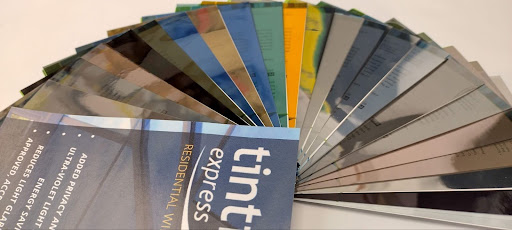
A Complete Guide on the Different Types of Window Films?
Window films have become an increasingly popular solution for both residential and commercial properties across the UK. Whether you’re aiming to enhance privacy, improve energy efficiency, or protect interiors from harmful UV rays, understanding the types of window films available is essential. With a wide variety of options on the market, choosing the right one can feel overwhelming. This guide breaks down the different types of window film, their features, uses, and costs—helping you make an informed decision while working with professional window tinting specialists.
What is Window Film and What is its Use?
Window film is a thin laminate material that is applied to glass surfaces in homes, offices, or vehicles. Typically made from polyester, it can be treated with various coatings to achieve specific functions such as heat control, glare reduction, privacy, and safety.
The primary purpose of window film is to enhance the performance of glass without replacing the window itself. For homeowners, types of window film for homes often focus on improving comfort and reducing energy bills by minimising heat loss in winter and heat gain in summer. Many films also block up to 99% of harmful UV rays, protecting furniture, flooring, and artwork from fading.
From a privacy standpoint, Frosted & Reflective Window Film privacy solutions are widely used in bathrooms, offices, and street-facing rooms. They allow varying amounts of natural light to enter while restricting visibility from the outside. Additionally, security films can reinforce glass, making it more resistant to breakage and forced entry.
For businesses, frosted window films can also serve branding purposes, displaying logos or decorative patterns. When installed by experienced Window Tinting Specialists, these films not only improve functionality but also enhance the aesthetic appeal of a property.
What are the Different Types of Window Films?
Understanding the different types of window film will help you determine which option suits your needs best. Below are the most common categories:
1. Solar Control Window Film
- Features: Reduces heat, glare, and UV rays
- Uses: Ideal for sun-facing windows in homes and offices
- Price Range: Typically £25 – £150 per square metre
Solar control films are designed to regulate indoor temperatures by reflecting or absorbing solar energy. They are particularly beneficial during summer months, helping to lower cooling costs.
2. Privacy Window Film
- Features: Obscures visibility while allowing light transmission
- Uses: Bathrooms, bedrooms, office partitions
- Price Range: Typically £25 – £85 per square metre for a frosted film.
When exploring types of privacy window film, options include frosted, mirrored, and one-way films. These are perfect for maintaining discretion without sacrificing natural light. If you’re wondering, “Which window film is best for privacy?”, frosted and reflective films are often top choices depending on whether you need day or night privacy.
3. Decorative Window Film
- Features: Stylish patterns, textures, or custom designs
- Uses: Interior décor, branding, partitioning
- Price Range: £25–£85 per square metre
Decorative films combine functionality with aesthetics. They are widely used in offices for branding or in homes to add a design element to glass surfaces.
4. Safety and Security Window Film
- Features: Reinforces glass, prevents shattering and possible injury.
- Uses: Upgrading non-compliant glazing in commercial buildings, schools and homes.
- Price Range: £30–£80 per square metre
These films are thicker and designed to hold glass together upon impact. Safety and security films are essential for safety and are often recommended by Window Tinting Specialists for high-risk areas.
5. Anti-Glare Window Film
- Features: Reduces glare from sunlight and screens
- Uses: Offices, home workspaces, e.g., living rooms
- Price Range: £25 – £85 per square metre
Perfect for improving screen visibility, anti-glare films are a practical solution for modern work-from-home environments.
6. UV Protection Window Film
- Features: Blocks up to 99% of UV rays
- Uses: Homes with valuable interiors, art, museums, and retail stores
- Price Range: £25–£150 per square metre
UV protection window films are often combined with solar control features and are ideal for preserving furnishings and reducing skin exposure to harmful rays.
7. Insulating (Low-E) Window Film
- Features: Improves thermal insulation
- Uses: Energy-efficient homes
- Price Range: £40–£90 per square metre
If you’re asking, “What type of window tint is best?” for energy savings, Low-E films are among the most effective. They help retain heat during winter and reflect heat in summer, making them a year-round solution.
Conclusion
Choosing from the various types of window films depends on your specific requirements—be it privacy, energy efficiency, safety, or aesthetics. From solar control to decorative and security options, each film serves a unique purpose and offers distinct benefits. Understanding the types of window film for homes and commercial spaces ensures you invest wisely.
If privacy is your priority, explore the types of privacy window film, such as frosted or mirrored finishes. For overall performance, consulting experienced Window Tinting Specialists can help you determine the most suitable solution tailored to your property. Ultimately, the right window film enhances comfort and safety, and makes it a smart, cost-effective upgrade for any space.




Leave a comment