


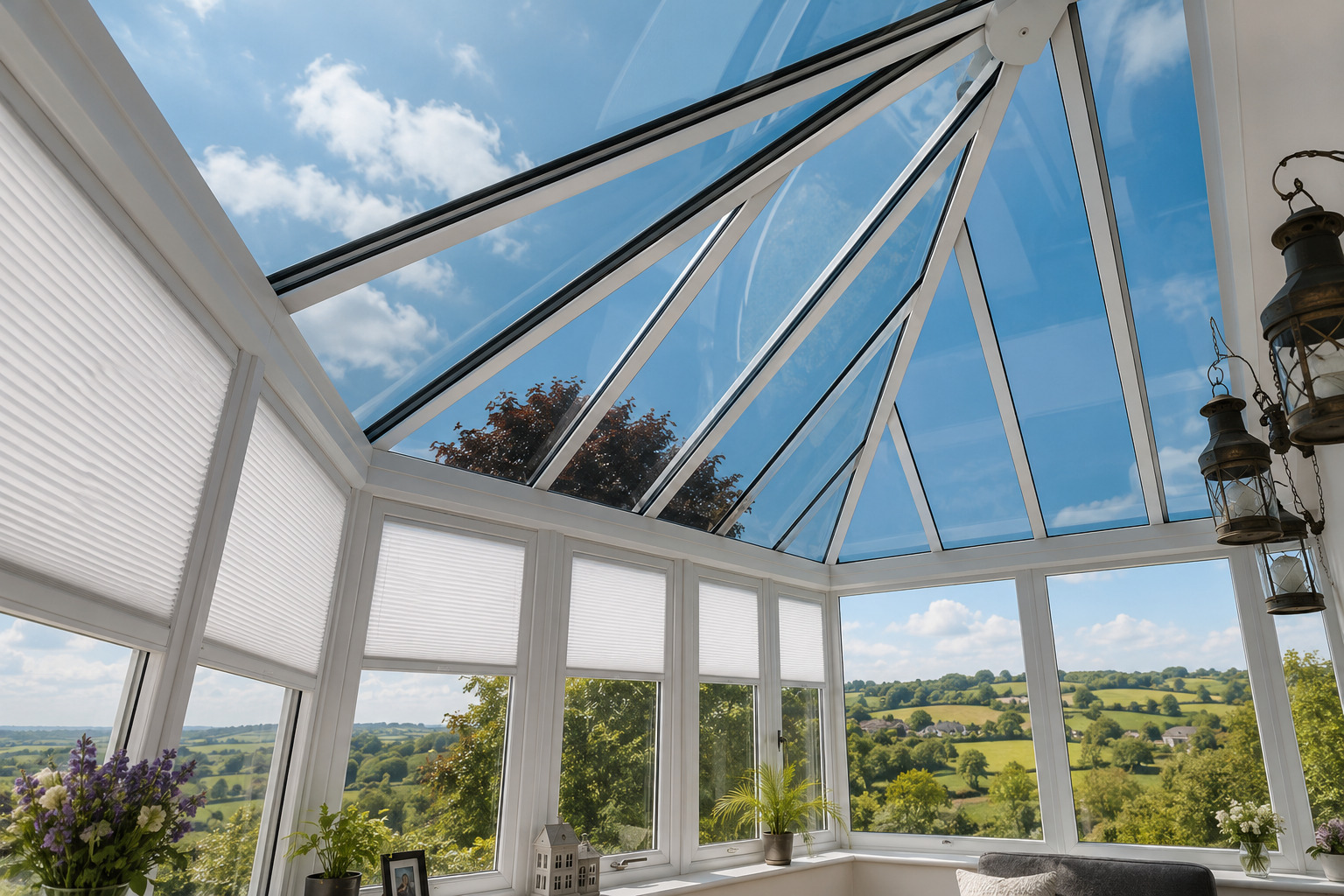
Which Window Film is Best for Conservatories?
A conservatory is one of the most enjoyable spaces in a home, but it can quickly become too hot in summer, too cold in winter, and uncomfortable due to excessive glare. Choosing the right conservatory window film can significantly improve comfort, energy efficiency, and privacy without replacing your existing glass.
If you’re wondering, which window film is best for conservatories? The answer depends on your priorities. Solar control window film is generally the best all-round option because it reduces heat, blocks harmful UV rays, and minimises glare while allowing natural light to enter.
In this guide, we’ll explain the different types of window film available, their benefits, and how to choose the right solution for your conservatory.
Why Conservatories Get Too Hot
Conservatories are designed with large glazed areas that maximise natural daylight. While this creates a bright and welcoming space, it also allows significant solar heat to enter.
During warmer months, sunlight passes through the glass and becomes trapped inside, creating a greenhouse effect. This often results in:
- High indoor temperatures
- Uncomfortable glare
- Fading furniture and fabrics
- Increased cooling costs
- Reduced usability during peak summer hours
Installing window tint film conservatory solutions is one of the most cost-effective ways to reduce these issues without major renovation work.
Types of Conservatory Window Film
Choosing the right conservatory window film depends on what you want to achieve.
1. Solar Control Window Film (Best Overall)
For most homeowners, solar control film is the ideal solution.
It is specifically designed to reject solar heat before it enters your conservatory while still allowing plenty of daylight.
Benefits include:
- Excellent heat reduction
- Lower glare
- UV protection
- Improved energy efficiency
- Greater comfort throughout the year
This type of film works particularly well on south-facing conservatories that receive direct sunlight for most of the day.
2. Reflective Window Film
Reflective films have a mirrored appearance from the outside during daylight hours.
They provide:
- Additional heat rejection
- Increased daytime privacy
- Modern appearance
- Reduced glare
However, they may reduce outward visibility at night when interior lights are switched on.
3. Neutral or Low-Reflective Film
If you want effective heat reduction without changing the appearance of your conservatory, neutral films are an excellent option.
These films:
- Maintain a natural look
- Reduce solar heat
- Improve comfort
- Preserve external aesthetics
Many UK homeowners prefer this option for listed properties or modern extensions.
4. Frosted Window Film
Frosted film is mainly used where privacy is more important than solar control.
It is suitable for:
- Conservatory side panels
- Doors
- Properties overlooking neighbouring homes
While it offers privacy, it does not provide the same level of heat reduction as solar control films.
Benefits of Installing Conservatory Window Film
Adding professional conservatory window film offers several long-term advantages.
Keeps Your Conservatory Cooler
Solar control films reject a significant amount of solar heat, helping maintain a comfortable indoor temperature during summer.
Reduces Glare
Whether you’re watching television, working from home, or reading, excessive glare can become frustrating.
Window films soften harsh sunlight without making the room feel dark.
Blocks Harmful UV Rays
Quality window films block up to 99% of UV radiation.
This helps protect:
- Sofas
- Carpets
- Wooden flooring
- Curtains
- Artwork
- Indoor plants
from premature fading.
Improves Energy Efficiency
By reducing heat gain in summer, your cooling systems work less, potentially lowering energy consumption.
Some films also provide modest insulation benefits during colder months.
Enhances Privacy
Depending on the product selected, window film can provide increased daytime privacy without sacrificing natural light.
How to Choose the Best Window Film for Your Conservatory
When selecting window tint film for conservatory products, consider the following factors.
Orientation
South-facing conservatories receive the highest levels of sunlight and usually benefit from high-performance solar control films.
North-facing conservatories may only require a visibly lighter transmission solar film with less heat rejecting properties, but still provides glare reduction or UV protection.
Glass Type
Not every window film is suitable for every glazing system.
Professional installers will assess whether your conservatory has:
- Single glazing
- Double glazing
- Toughened glass
- Laminated glass
- Roof glazing
To recommend a compatible solution.
Professional Installation vs DIY
DIY window films are widely available, but conservatories often feature large panes, roof glazing, and complex angles that make installation challenging.
Professional installation provides:
- Bubble-free application
- Correct product selection
- Manufacturer-backed warranties
- Long-lasting performance
- Better visual finish
For most homeowners, professional fitting delivers far better long-term value.
Frequently Asked Questions
Which window film is best for conservatories?
Solar control window film is generally considered the best option because it reduces heat, glare, and UV exposure while maintaining natural daylight.
Does conservatory window film really reduce heat?
Yes. High-quality solar control films can significantly reduce solar heat entering through glass, making conservatories much more comfortable during warmer weather.
Can window film stop furniture fading?
Yes. Most premium films block up to 99% of harmful UV rays, helping protect furniture, flooring, curtains, and décor from fading.
Will window film make my conservatory dark?
No. Modern window films are designed to reduce heat while still allowing plenty of natural light into the room. Different tint levels are available to suit your preferences.
Can conservatory window film be removed?
Yes. Professionally installed window film can usually be removed and replaced if required without replacing the glass.




Leave a comment