



Best Window Film for Home Privacy: Which Type Should You Choose?
If you want more privacy at home without replacing your windows or keeping curtains closed all day, privacy window film can be a practical solution. It can obscure unwanted views, reduce glare and, depending on the type, help control sunlight while allowing natural light into your rooms.
But which is the best window film for home privacy? The answer depends on where the window is located, how much privacy you need and whether you want privacy during the day, at night or both.
From frosted films to reflective and tinted options, this guide explains the main types of window film and helps you choose the right option for your UK home.
What Is the Best Window Film for Home Privacy?
For 24-hour privacy, frosted or obscured window film is generally the best choice. It prevents clear views through the glass from either side while still allowing natural light into the room.
For daytime privacy while maintaining your view outside, a reflective or one-way privacy film can be more suitable. However, one-way privacy should not be treated as a complete day-and-night solution because its effectiveness depends on the relative brightness on each side of the glass.
In simple terms:
- Best for day and night privacy: Frosted or opaque privacy film
- Best for daytime privacy: Reflective or one-way privacy film
- Best for privacy plus solar control: Reflective or solar-control film
- Best for a darker, tinted appearance: Tinted window film for home
- Best for bathrooms: Frosted or decorative privacy film
The UK’s National Protective Security Authority recognises reflective and screen-printed films as retrofit options for obscuring views through windows.
1. Frosted Window Film – Best for 24-Hour Privacy
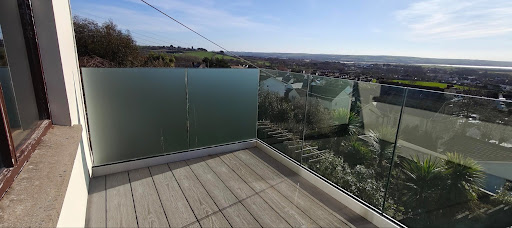
Frosted window film is one of the most popular choices for homeowners who want reliable privacy without completely blocking natural light.
The film gives the glass a frosted, etched or sandblasted appearance. Depending on the product, it can obscure the view from both sides, making it particularly useful for bathrooms, bedrooms, front doors and windows facing pavements or neighbouring properties.
Why choose frosted privacy film?
- Provides privacy during the day and night
- Allows natural daylight into the room
- Available in plain and decorative designs
- Suitable for bathrooms and overlooked windows
- Can create an etched-glass appearance without replacing the glass
If your priority is maximum privacy rather than maintaining a clear view outside, frosted film is usually the safest choice.
2. Reflective or One-Way Privacy Film – Best for Daytime Privacy
Reflective window film is designed to create a privacy effect during daylight hours. It can make the outside of the glass appear mirrored or reflective, helping prevent people outside from seeing clearly into your home while allowing you to see out.
This makes it particularly useful for living rooms, home offices and windows overlooking busy streets.
However, there is an important limitation: one-way privacy is not necessarily effective at night.
When your interior is brightly lit and it is darker outside, the privacy effect can reverse or become significantly weaker. Therefore, you may still need curtains, blinds or another privacy solution after dark.
Reflective films can also provide additional benefits such as glare and solar control, depending on the product specification.
3. Tinted Window Film for Home – Privacy and Glare Reduction
Tinted window film for home is another option if you want to combine a degree of privacy with a darker appearance.
Tinted films reduce the amount of visible light passing through the glass. Darker tints can make it more difficult to see into a room, particularly during the day, while also helping reduce glare from direct sunlight.
They can be useful for:
- South-facing rooms
- Home offices
- Living rooms with excessive screen glare
- Rooms with strong afternoon sunlight
- Homes where a subtle tinted appearance is preferred
However, tint level and privacy performance vary between products. If your main priority is preventing people from seeing into your home at all times, a dedicated frosted privacy film is generally more appropriate than relying solely on tint.
4. Decorative Privacy Film – Style Meets Privacy
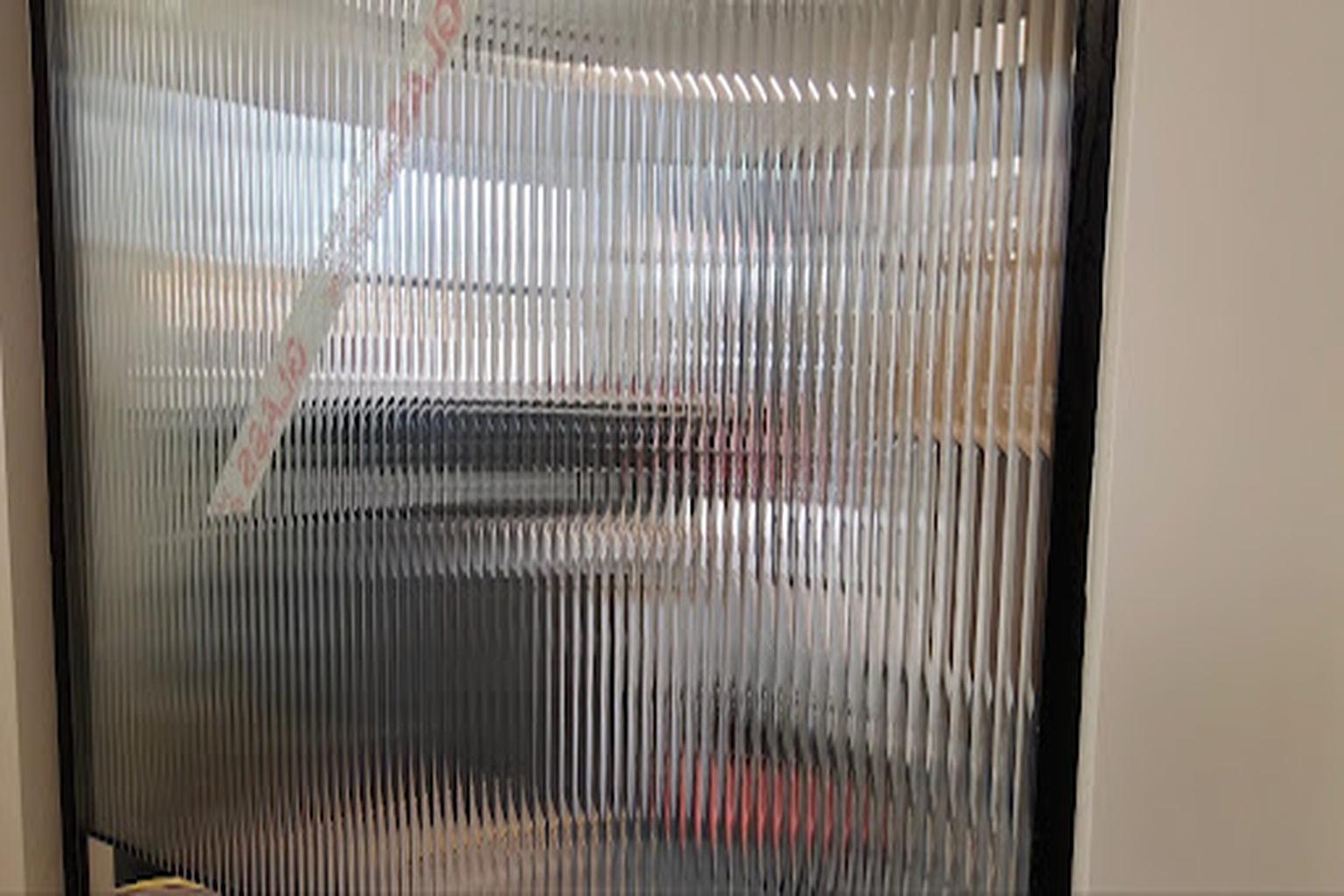
Privacy film doesn’t have to look plain. Decorative films can introduce patterns, textures or designs while reducing visibility through the glass.
This can be a good choice if you want your windows to become part of your interior design.
Decorative privacy films work particularly well in:
- Bathroom windows
- Hallways
- Front-door glazing
- Internal glass doors
- Sidelights
- Bedroom windows
You can achieve a stylish appearance while improving privacy without installing permanent etched or textured glass.
Privacy Window Film: Which Type Should You Choose?
The best option depends on your specific requirements.
Your priority | Recommended film |
Privacy day and night | Frosted privacy film |
Daytime privacy with outward visibility | Reflective/one-way film |
Privacy and glare reduction | Reflective or solar-control film |
Tinted appearance | Tinted window film |
Bathroom privacy | Frosted or decorative film |
Stylish privacy solution | Decorative film |
Before choosing a product, consider whether you need full-time privacy or daytime privacy. This is one of the most important differences between frosted and reflective films.
Is Window Film Better Than Curtains or Blinds?
Window film can provide privacy without requiring you to close the blinds. This means you can maintain natural daylight and, with suitable film, retain some visibility through the glass.
Curtains and blinds offer excellent privacy, particularly at night, but they can reduce natural light and visibility
when closed during the day.
For some homes, the best solution is a combination. For example, frosted film can provide permanent privacy while curtains provide additional light control and privacy at night.
What Should You Consider Before Installing Privacy Film?
Before installation, check the type and condition of your glazing and select a film that is suitable for the glass.
If you are replacing glazing rather than simply applying film, UK Building Regulations can apply to replacement windows and doors, including requirements relating to thermal performance and safety glazing.
It is also worth checking the manufacturer’s installation recommendations, particularly for double-glazed units and specialist glass.
For larger installations or unusual glazing, professional advice can help ensure that the correct film is selected and properly installed.
Final Thoughts
Choosing the best window film for home privacy comes down to how and when you need privacy. For dependable day-and-night privacy, frosted privacy window film is usually the strongest choice. If you want to maintain your outward view while gaining daytime privacy, a reflective or one-way film may be more suitable.
Meanwhile, tinted window film for home can be useful when privacy is combined with glare and sunlight control.
Think about the room, window position, lighting conditions and required level of privacy before choosing your film. With the right option, you can improve privacy while keeping your home bright, comfortable and stylish.
Frequently Asked Questions
Does privacy window film work at night?
Frosted or obscuring privacy film can provide privacy during both the day and night. Reflective or one-way films, however, generally provide their strongest privacy effect during daylight and may not provide the same privacy after dark.
What is the best window film for bathroom privacy?
Frosted window film is usually an excellent choice for bathrooms because it obscures visibility while allowing daylight into the room.
Can you see through frosted window film?
Frosted film is designed to obscure clear views. Depending on the film’s opacity and design, you may see light, colours or indistinct shapes, but not a clear view through the glass.
Does tinted window film provide privacy?
Tinted window film can reduce visibility into a room, particularly during daylight, but the level of privacy depends on the film’s darkness and lighting conditions. For reliable 24-hour privacy, frosted or opaque film is generally more suitable.
Is one-way window film private at night?
Not necessarily. One-way privacy film relies on differences in brightness between the two sides of the glass. When it is dark outside and the room is brightly illuminated, the privacy effect can be reduced.



Leave a comment