


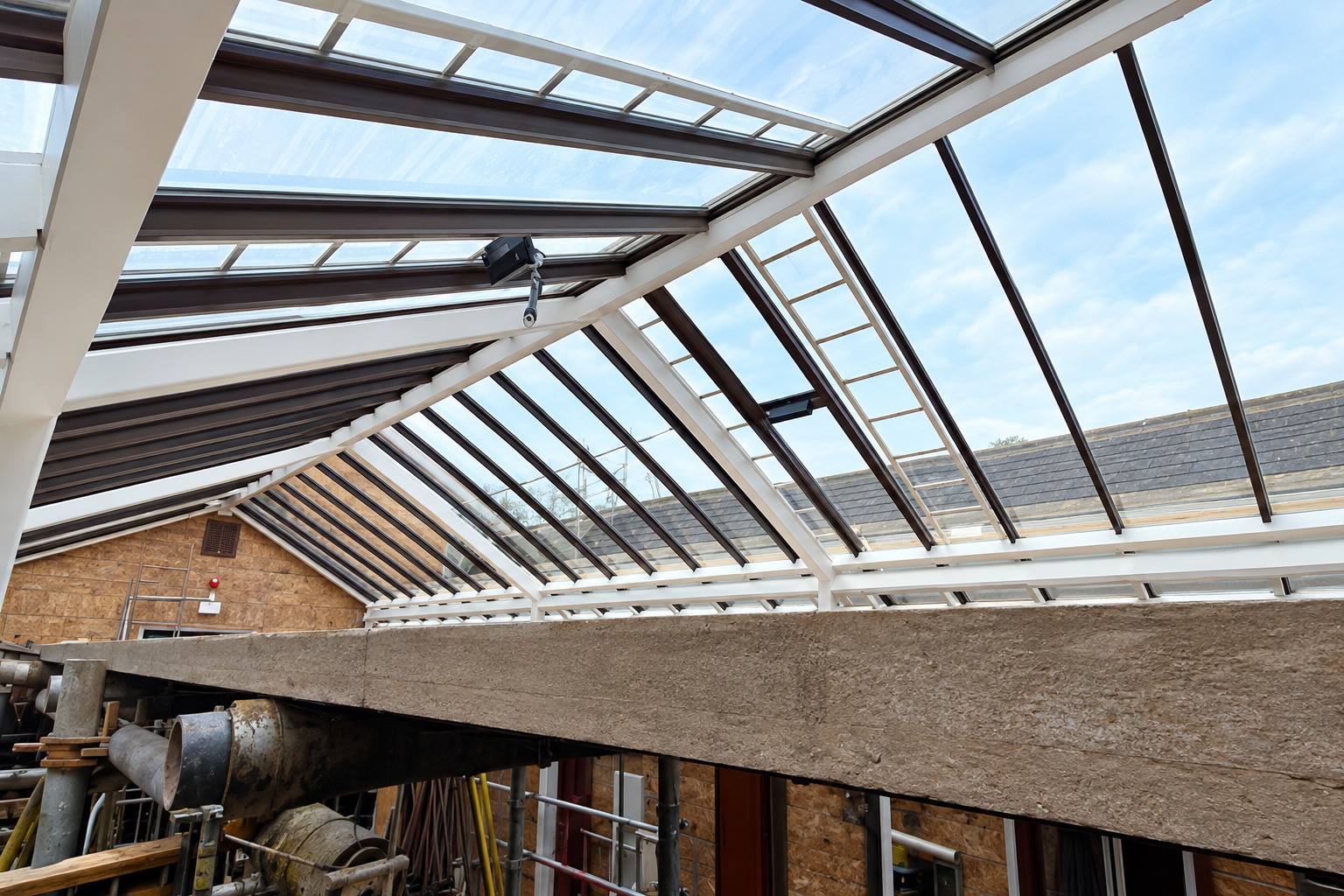
Commercial Window Film: The Complete Guide for UK Businesses
Commercial buildings often feature large areas of glazing to create bright, modern and welcoming spaces. However, untreated glass can also contribute to excessive heat, glare, UV exposure, privacy concerns and security risks.
Commercial window film provides a practical way for UK businesses to improve the performance of existing glass without necessarily replacing windows. Depending on the type selected, window film can help control solar heat, reduce glare, improve privacy, protect interiors and enhance glass safety.
This guide explains what commercial window film is, its main benefits, the different types available and how UK businesses can choose the right solution.
What Is Commercial Window Film?
Commercial window film is a specialist film applied to existing glass in offices, shops, schools, healthcare facilities, hotels and other commercial buildings. Different films are designed to provide benefits such as solar control, glare reduction, privacy, UV protection, safety, security or decorative enhancement.
Commercial window tinting is essentially the process of professionally applying these films to commercial glazing. The appropriate film depends on the building, glass type, window orientation and the problem the business wants to solve.
Unlike replacing windows, film can often be retrofitted to existing glazing with considerably less disruption.
What Are the Benefits of Commercial Window Film?
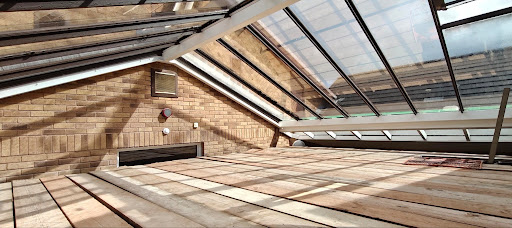
The benefits depend on the film specification, but the main advantages for UK businesses include:
- Reducing solar heat gain
- Controlling glare
- Improving workplace comfort
- Reducing UV exposure
- Protecting furniture, flooring and merchandise from fading
- Improving privacy
- Enhancing glass safety and security
- Supporting energy-efficiency measures
- Improving the appearance of commercial glazing
- Providing opportunities for branding and decorative designs
Solar control is particularly useful in commercial spaces with large areas of south-, east- or west-facing glazing, where excessive solar gain can contribute to overheating. Guidance for non-domestic development also recognises solar gain as an important consideration when managing overheating and cooling demand.
Types of Commercial Window Film
Choosing the right film is important because different products are designed to solve different problems.
1. Solar Control Window Film
Solar control film is designed to reduce the amount of solar energy entering a building. It can help reduce heat build-up and glare while allowing businesses to retain natural daylight.
This can be particularly useful for:
- Offices
- Retail premises
- Schools and colleges
- Hotels
- Commercial showrooms
- Healthcare buildings
The level of heat rejection and visible light transmission varies between products, so businesses should compare the manufacturer’s technical specifications before choosing a film.
2. Privacy Window Film
Privacy film reduces visibility through glass while maintaining a professional appearance.
Options include frosted, opaque, reflective and decorative films. They can be used for:
- Meeting rooms
- Office partitions
- Reception areas
- Bathrooms
- Healthcare facilities
- Street-facing windows
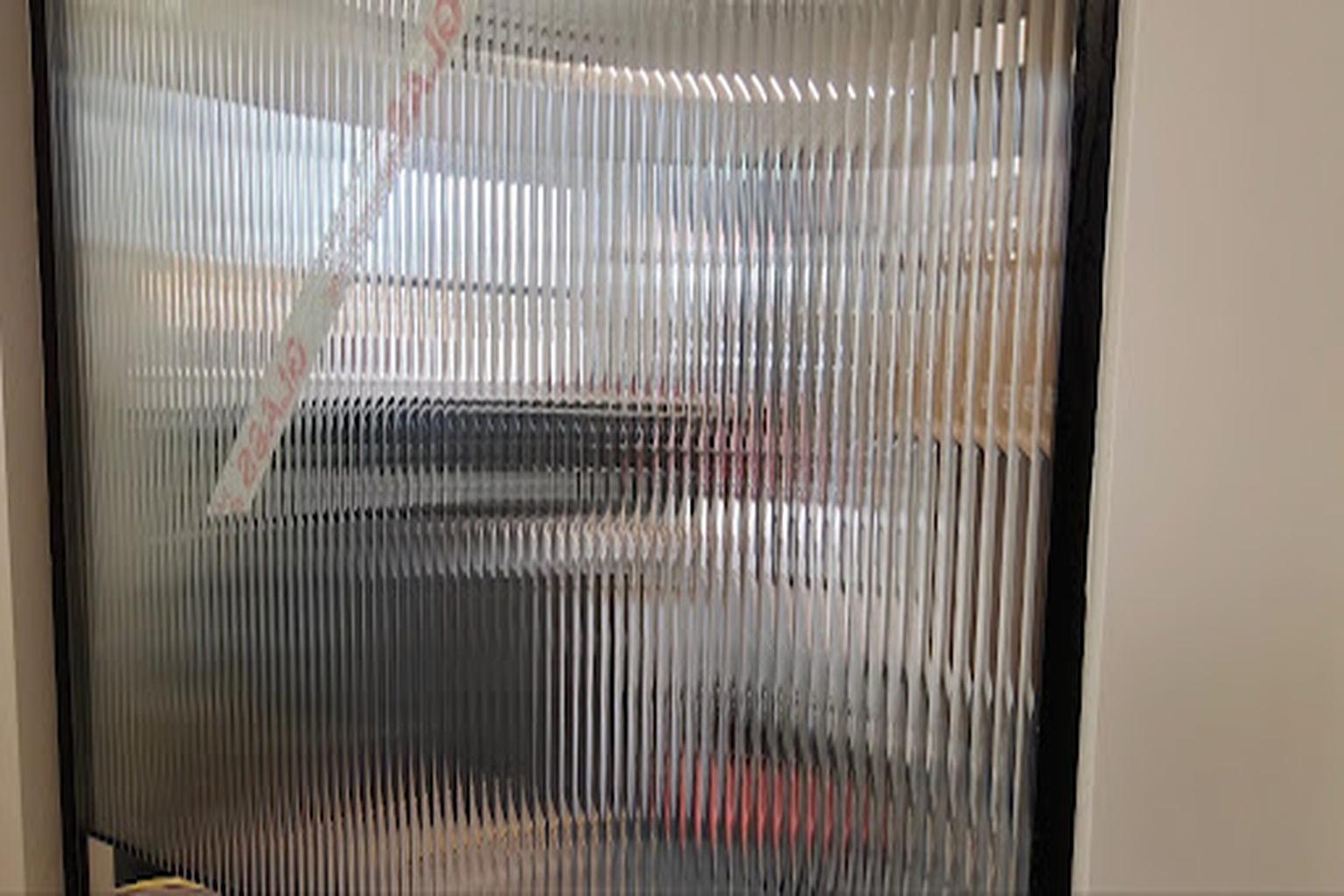
Frosted film can provide privacy without completely blocking natural light, making it a popular option for offices and commercial interiors.
3. Safety and Security Film
Safety and security films are thicker films designed to help hold broken glass together following impact.
They can be considered for areas where glass safety or additional protection is a concern. However, businesses should ensure that the chosen system is suitable for the specific glazing and application.
UK building regulations contain requirements relating to glazing safety and protection against impact. Safety glazing requirements can apply to specific critical locations, so professional assessment is important when specifying film for safety purposes.
4. UV Protection Film
UV protection film can reduce ultraviolet radiation passing through glazing.
This is particularly valuable for retailers, galleries, showrooms and businesses displaying products close to windows. UV exposure can contribute to fading of merchandise, flooring, furniture, artwork and displays.
Some commercial films are capable of rejecting very high levels of UV radiation, but performance varies between products, so businesses should check the manufacturer’s specifications.
5. Decorative and Branding Film
Commercial window film doesn’t have to be purely functional.
Decorative films can be used to create frosted patterns, stripes, logos, branding or bespoke designs. They can transform plain glass partitions and shopfronts while providing additional privacy or visual separation.
How Does Commercial Window Tinting Work?
Commercial window tinting involves preparing the glass and professionally applying a specialist film to the glazing surface.
The film interacts with sunlight in different ways depending on its construction. Solar control films, for example, can reflect and absorb a proportion of solar energy before it contributes to heat gain inside the building.
The result depends on factors such as:
- Type of glass
- Type of window film
- Window orientation
- Size of glazing
- Amount of direct sunlight
- Desired level of privacy
- Existing heating and cooling systems
This is why a professional site assessment can be valuable before installation. A suitable film for one building may not be appropriate for another.
Can Commercial Window Film Reduce Energy Costs?
Commercial window film can help reduce cooling demand by limiting solar heat entering a building, but actual energy savings vary.
Buildings with extensive glazing and air conditioning may benefit most from solar control film because reducing unwanted solar heat can reduce the workload placed on cooling systems.
However, window film should not be promoted as a guaranteed way to achieve a specific energy saving. Building orientation, glazing specification, occupancy, HVAC systems, weather and film selection all affect performance.
Energy efficiency is increasingly important for UK commercial property owners and landlords. For example, the government’s guidance on Minimum Energy Efficiency Standards applies to certain privately rented non-domestic properties and sets requirements around EPC performance.
Is Commercial Window Film Suitable for Offices?
Yes. Commercial window film is particularly suitable for offices with excessive heat, glare, privacy concerns or large areas of glazing.
Solar control film can help reduce uncomfortable heat and screen glare, while privacy or frosted film can create greater separation between meeting rooms and shared workspaces.
Reducing glare can also make computer screens easier to view, potentially creating a more comfortable working environment.
Is Commercial Window Film Suitable for Retail Shops?
Yes. Retailers can use commercial window film for several purposes, including solar control, UV protection, privacy, security and display protection.
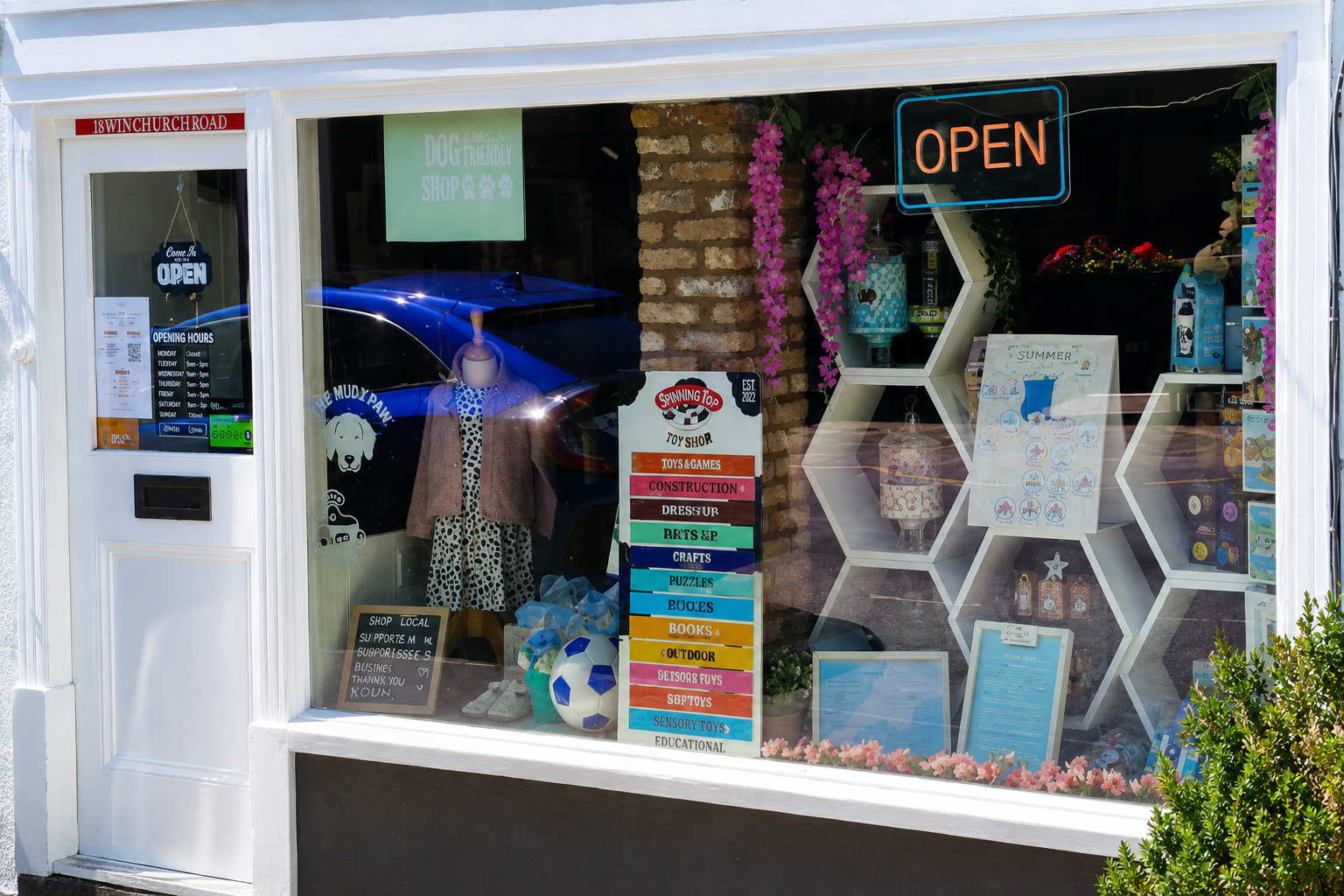
For example, UV and solar control films can help protect products and displays from prolonged exposure to sunlight. Retail businesses can also use decorative films and branded graphics to improve the appearance of shopfronts.
For valuable merchandise, the correct specification is particularly important because the film needs to balance UV protection, heat control, visibility and natural daylight.
What Should Businesses Consider Before Installation?
Before choosing commercial window film, businesses should consider:
- The purpose of the film – heat control, privacy, safety, security, UV protection or aesthetics.
- Existing glass type – not every film is suitable for every glazing system.
- Window orientation – south- and west-facing windows may receive significant solar exposure.
- Desired natural light levels – darker films are not always necessary.
- Internal temperature and glare problems – identify where the biggest issues occur.
- Building regulations and safety requirements – ensure the proposed solution is appropriate for the glazing.
- Professional installation – incorrect film selection or installation can affect performance and glass suitability.
GOV.UK guidance confirms that building work must meet applicable safety and energy-efficiency standards even where formal building regulations approval is not required.
How Much Does Commercial Window Film Cost?
The cost of commercial window film varies according to the film type, glass area, number and size of windows, installation requirements, access and the location of the property.
Solar, privacy, decorative and security films can have different costs because their construction and performance characteristics vary.
For an accurate price, businesses should request a professional assessment and quotation rather than relying on a generic price per square metre.
Final Thoughts
Commercial window film offers UK businesses a versatile way to improve existing glazing without undertaking major window replacement work. From solar control and glare reduction to privacy, UV protection, safety and branding, the right film can address several common commercial glazing challenges.
The most important step is choosing a film that matches the building, glass type and intended application. A professional survey can help identify the most suitable solution and ensure the installation is carried out correctly.
For businesses considering commercial window tinting, professional advice and product-specific performance information should be used to make an informed decision.
For commercial window film installation and advice, Tinting Express – Commercial Window Film & Tinting offers solutions covering heat and glare control, privacy, safety, security, UV protection and commercial branding.
Frequently Asked Questions
What is commercial window film?
Commercial window film is a specialist film applied to existing commercial glazing to provide benefits such as solar control, glare reduction, privacy, UV protection, safety, security or decorative enhancement.
What is commercial window tinting?
Commercial window tinting is the professional application of window film to commercial glazing. It can be used in offices, shops, schools, hotels and other business premises.
Does commercial window film reduce heat?
Yes. Solar control films are designed to reduce solar heat entering through windows. The amount of heat reduction depends on the film, glass, building orientation and other factors.
Does window film provide privacy?
Yes. Frosted, opaque and reflective films can reduce visibility through commercial glazing. The appropriate option depends on whether privacy is required during the day, at night or continuously.
Can commercial window film protect products from fading?
Yes. Films with UV protection can help reduce UV exposure, while solar control films can also reduce some of the solar energy contributing to fading. The exact level of protection depends on the product specification.
Is commercial window film a replacement for new windows?
Not necessarily. Window film is often used as a retrofit solution to improve existing glazing without replacing the entire window. However, its suitability depends on the condition and construction of the existing glass.



Leave a comment