


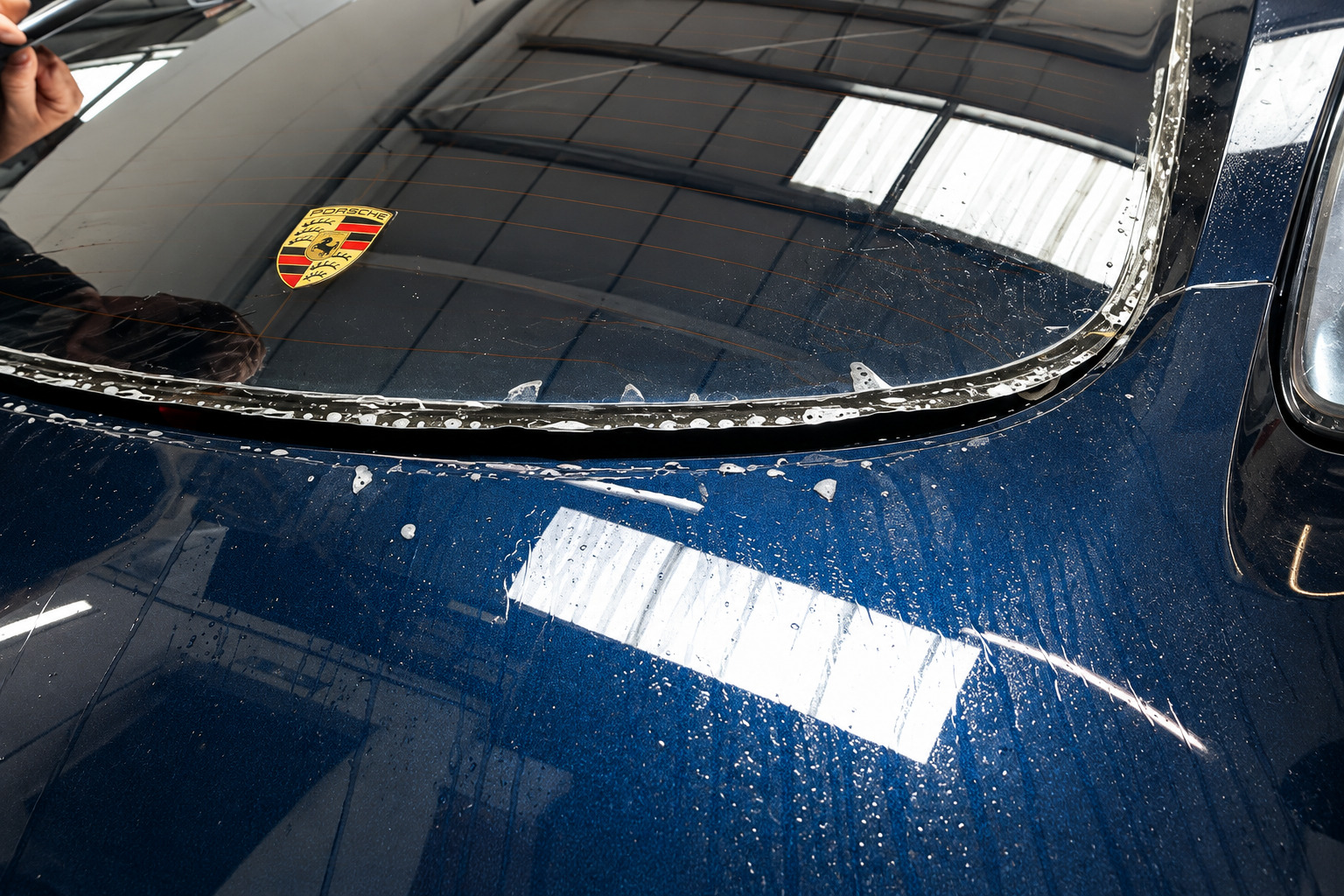
Types of Paint Protection Film: A Complete Guide for Vehicle Owners
Modern vehicles face daily exposure to road debris, stone chips, UV rays, bird droppings, tree sap, and harsh weather conditions. As a result, maintaining a flawless paint finish has become increasingly challenging. This is where paint protection film (PPF) plays a crucial role.
In this guide, we’ll explore the different types of paint protection film, their benefits, and how to choose the right solution for your vehicle.
What Is Paint Protection Film?
Paint protection film is a transparent, durable polyurethane layer applied to a vehicle’s painted surfaces. Designed to protect against scratches, chips, stains, and environmental damage, it acts as an invisible shield while preserving the vehicle’s original appearance.
Today’s automotive paint protection film products are more advanced than ever, offering self-healing properties, UV resistance, hydrophobic coatings, and enhanced durability.
Quick Answer: What Are the Different Types of Paint Protection Film?
The main types of paint protection film are:
- Gloss Paint Protection Film
- Matte Paint Protection Film
- Self-Healing Paint Protection Film
- Hydrophobic Paint Protection Film
- Coloured Paint Protection Film
- Thermoplastic Polyurethane (TPU) Paint Protection Film
- Polyvinyl Chloride (PVC) Paint Protection Film
- Ceramic-Coated Paint Protection Film
Each type offers unique benefits depending on your vehicle, driving conditions, and desired finish.
1. Gloss Paint Protection Film
Gloss PPF is one of the most popular options among vehicle owners.
Benefits:
- Enhances paint shine and depth
- Maintains a factory-fresh appearance
- Protects against stone chips and minor scratches
- Virtually invisible once installed
This type of Automotive Paint Protection Film is ideal for drivers who want to preserve their vehicle’s original glossy finish while adding a layer of protection.
2. Matte Paint Protection Film
Matte PPF is specifically designed for vehicles with gloss paintwork or for owners seeking a matt finish.
Benefits:
- Preserves the paintwork
- Reduces unwanted reflections
- Protects against environmental contaminants
- Prevents paint damage without altering aesthetics
Many luxury and performance vehicle owners choose matte paint protection film to maintain a distinctive look while safeguarding their investment.
3. Self-Healing Paint Protection Film
Self-healing PPF has become one of the most sought-after innovations in vehicle protection.
How It Works:
The film contains elastomeric polymers that allow minor scratches and swirl marks to disappear when exposed to heat from sunlight, warm water, or the vehicle’s engine warmth.
Benefits:
- Automatically repairs light surface scratches
- Maintains a flawless finish
- Reduces long-term maintenance
- Extends the lifespan of the vehicle’s paint
For drivers seeking premium protection, self-healing Automotive Paint Protection Film is often considered the gold standard.
4. Hydrophobic Paint Protection Film
Hydrophobic PPF is engineered to repel water, dirt, and contaminants.
Benefits:
- Water beads and rolls off the surface
- Easier vehicle cleaning
- Reduced dirt accumulation
- Improved resistance to stains and water spots
This type of paint protection film is particularly beneficial in regions with frequent rainfall or dusty road conditions.
5. Coloured Paint Protection Film
Coloured PPF combines protection with visual customisation.
Benefits:
- Changes the vehicle’s appearance without repainting
- Protects original paintwork
- Available in various colours and finishes
- Can be removed without damaging the paint
Vehicle owners looking for both protection and style often prefer coloured Automotive Paint Protection Film over traditional wraps.
6. Thermoplastic Polyurethane (TPU) Paint Protection Film
TPU is widely regarded as the highest-quality material used in modern paint protection films.
Benefits:
- Exceptional flexibility
- Excellent impact resistance
- Self-healing capabilities
- Superior clarity and longevity
- Outstanding UV protection
Most premium Automotive Paint Protection Film products available today are manufactured using TPU technology due to its superior performance and durability.
7. PVC Paint Protection Film
PVC-based films are a more affordable alternative to TPU.
Benefits:
- Lower initial cost
- Basic paint protection
- Suitable for short-term applications
Limitations:
- Less durable than TPU
- Reduced clarity
- Limited self-healing properties
- Shorter lifespan
While PVC films can provide entry-level protection, many vehicle owners eventually upgrade to TPU-based paint protection film solutions.
8. Ceramic-Coated Paint Protection Film
Ceramic-coated PPF combines the benefits of traditional film protection with advanced ceramic technology.
Benefits:
- Enhanced gloss and appearance
- Increased chemical resistance
- Improved hydrophobic performance
- Easier maintenance
This advanced solution offers comprehensive protection against physical and environmental damage while simplifying vehicle care.
How to Choose the Right Paint Protection Film
When selecting the best paint protection film, consider the following factors:
1. Vehicle Usage
Daily-driven vehicles often benefit from self-healing and hydrophobic films, while luxury or performance cars may require premium TPU options.
2. Desired Finish
Choose gloss PPF for maximum shine or matte PPF for a satin appearance.
3. Budget
PVC films offer lower upfront costs, whereas TPU films provide superior long-term value.
4. Climate Conditions
Vehicles exposed to harsh sunlight, road salt, rain, or debris should prioritise premium Automotive Paint Protection Film products with UV and impact resistance.
Frequently Asked Questions
1. Which type of paint protection film is best?
TPU-based self-healing paint protection film is generally considered the best option due to its durability, clarity, flexibility, and ability to repair minor scratches.
2. How long does paint protection film last?
High-quality PPF typically lasts between 5 and 10 years, depending on the product quality, installation, and maintenance.
3. Is paint protection film worth it?
Yes. Paint protection film helps preserve vehicle appearance, maintains resale value, reduces paint repair costs, and protects against everyday damage.
4. Can paint protection film be removed?
Yes. Professionally installed PPF can be removed safely without damaging the vehicle’s original paintwork.
Final Thoughts
Understanding the different types of paint protection film helps vehicle owners make informed decisions about protecting their investment. Whether you choose gloss, matte, self-healing, hydrophobic, coloured, TPU, PVC, or ceramic-coated solutions, the right Automotive Paint Protection Film can significantly extend the life and appearance of your vehicle’s paintwork.
For maximum protection and long-term value, many experts recommend premium TPU-based self-healing paint protection film, which delivers exceptional durability, clarity, and resistance against everyday hazards.



Leave a comment